News
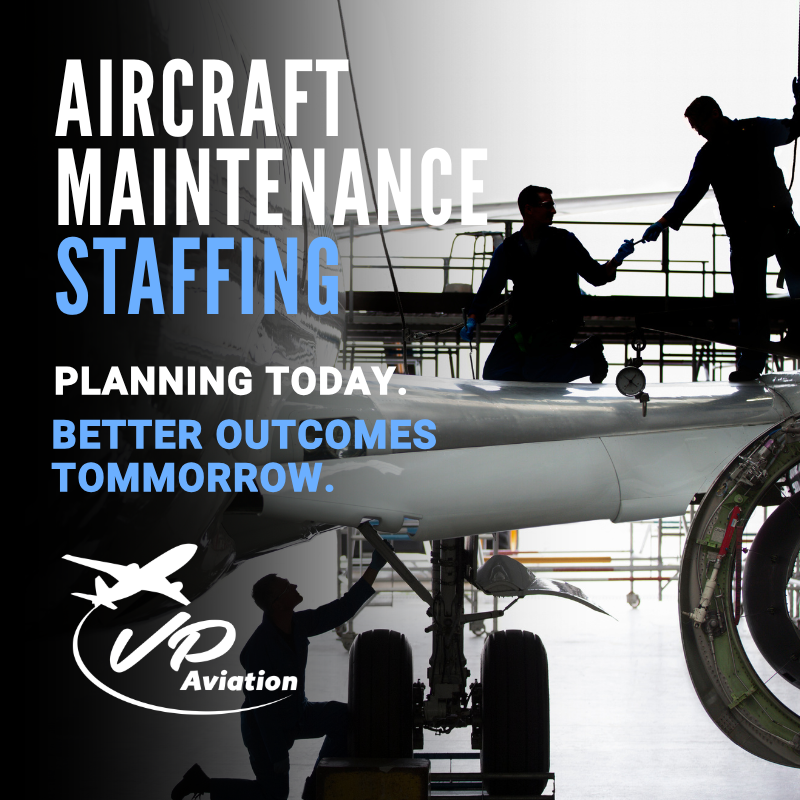
Aircraft Maintenance Staffing: Why Planning Ahead Matters

Aircraft Maintenance Staffing: Why Planning Ahead Matters
When an aircraft maintenance project is on the horizon, most organizations aren’t waiting to hire mechanics because they forgot.
They’re waiting because aircraft maintenance staffing is rarely that simple.
Project schedules change. Budgets need approval. Internal processes take time. Staffing priorities shift. And while those conversations are happening, the pool of available aircraft mechanics continues to change.
Planning ahead isn’t about hiring sooner. It’s about giving yourself more options when the time comes.
Aircraft Maintenance Staffing Is More Than Filling Positions
Finding experienced aircraft mechanics is only one part of the equation.
Maintenance organizations often need to balance operational schedules, workforce planning, procurement requirements, budgets, and internal approvals before additional support can be brought onboard.
Operations may identify the need for six structures mechanics.
Finance may still be reviewing the budget.
Procurement may need to finalize a staffing agreement.
Human Resources may have onboarding requirements.
Leadership may still be evaluating the overall project schedule.
Each department has an important role, but coordinating those efforts takes time. The sooner the conversation starts, the easier it becomes to respond when the project moves forward.
Aircraft Maintenance Projects Can Change Overnight
One of the constants in aircraft maintenance is that plans rarely stay exactly the same.
A project that begins with one staffing requirement may look very different a week later.
Engineering findings may expand the scope of work.
Customer schedules may shift.
Aircraft availability may change.
An additional aircraft may be added to the schedule.
Instead of six structures mechanics for six weeks, the project may suddenly require eight mechanics, a different skill set, or an earlier start date.
That’s not poor planning. It’s the reality of aircraft maintenance.
Starting staffing conversations early provides the flexibility to adapt as those changes happen.
Experience Is in High Demand
Qualified aircraft mechanics are always moving between projects.
As one maintenance event wraps up, another begins. Skilled technicians often commit to their next assignment well before they arrive at the job site.
Waiting until the last minute doesn’t mean qualified mechanics can’t be found. It simply reduces the number of options available and can make it more difficult to match the right experience to the work that needs to be completed.
Planning Ahead Creates Flexibility
Planning ahead doesn’t mean making a staffing commitment months before work begins.
It means understanding your options before they become limited.
Early workforce planning allows maintenance organizations to:
- Evaluate staffing solutions before schedules become critical.
- Identify mechanics with the right experience.
- Adjust staffing plans as projects evolve.
- Reduce last minute pressure on operations and internal teams.
- Keep maintenance projects moving when schedules change.
The goal isn’t simply to fill positions.
The goal is to have the right people available when they’re needed.
The Right Staffing Solution Depends on the Project
Every maintenance event is different.
Some projects require a few experienced contract aircraft mechanics to supplement an existing team.
Others benefit from a fully coordinated Mobile Response Team that arrives ready to work together from day one.
The best staffing solution depends on the scope of work, project timeline, and operational goals.
At VP Aviation, we partner with airlines, MROs, OEMs, repair stations, operators, etc. to provide flexible aircraft maintenance staffing solutions that align with each customer’s unique requirements.
Because successful maintenance projects don’t begin when the mechanics arrive.
They begin with planning.
Frequently Asked Questions
When should aircraft maintenance staffing begin?
Ideally, staffing conversations should begin as soon as a maintenance event or project is being planned. Early planning provides more flexibility as schedules, budgets, and staffing needs evolve.
Why is it difficult to find experienced aircraft mechanics?
Experienced aircraft mechanics are in demand throughout the aviation industry. As projects begin and end, qualified technicians are often committed to new assignments quickly, making early planning an advantage.
What is the difference between contract aircraft mechanics and a Mobile Response Team?
Contract aircraft mechanics typically supplement an existing workforce by filling specific roles. A Mobile Response Team is a coordinated group of experienced maintenance professionals who deploy together to complete defined maintenance projects, AOG recovery, or specialized aircraft repairs.
Can staffing plans change after a project begins?
Absolutely. Aircraft maintenance projects frequently evolve due to engineering findings, customer requirements, aircraft availability, and schedule changes. A flexible staffing strategy helps organizations adapt to those changes more effectively.