News
Aviation Staffing: How It Works

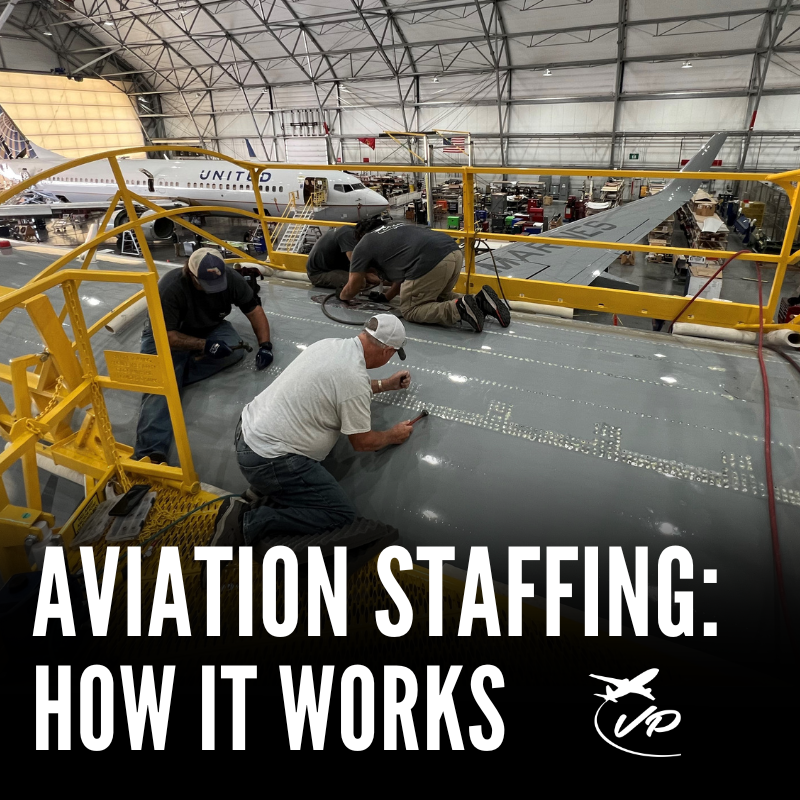
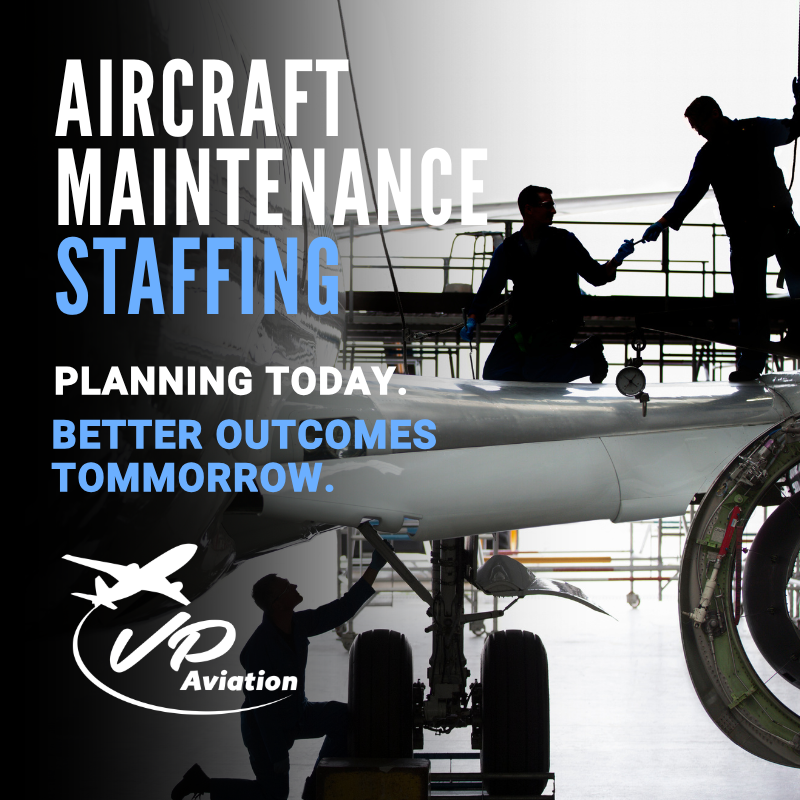
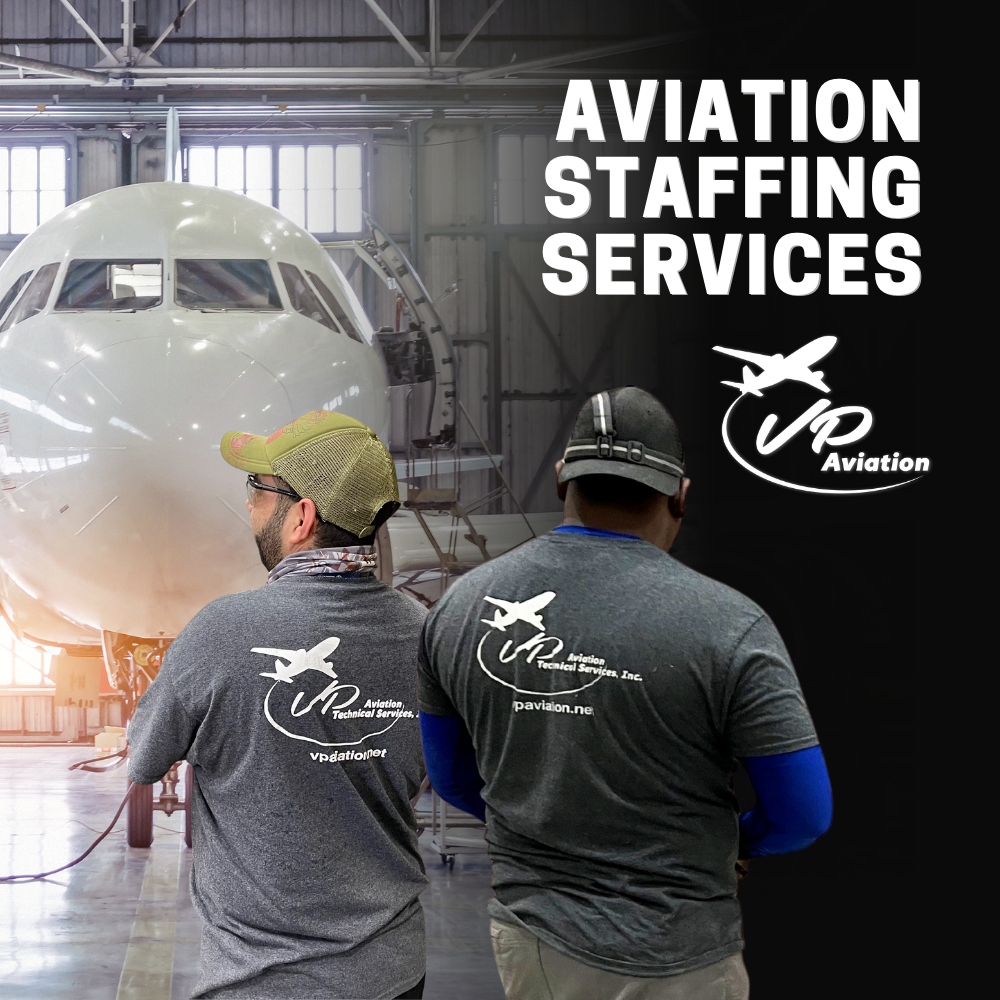
Aviation staffing supports airlines, MROs, OEMs, manufacturers, repair stations and business aviation operators with workforce support based on operational demand. That demand may involve heavy maintenance, production schedules, AOG recovery, modifications, structures work or long-term hiring needs.
Some companies may need direct hire employees to support long-term growth. Others may need contractors during schedule peaks or experienced teams to help recover delayed work scopes. Aviation staffing allows companies to adjust manpower based on workload without slowing operations.
As maintenance schedules tighten and experienced aviation professionals become harder to find, staffing support has become a normal part of how many aviation companies operate.
Why Aviation Companies Use Staffing Support
Workloads across the aviation industry constantly change. A maintenance event, production increase, modification program or delayed schedule can quickly create manpower gaps that internal teams cannot fully absorb on their own.
At the same time, many aviation companies are competing for the same experienced aircraft maintenance professionals, structures mechanics, avionics technicians, inspectors and manufacturing personnel.
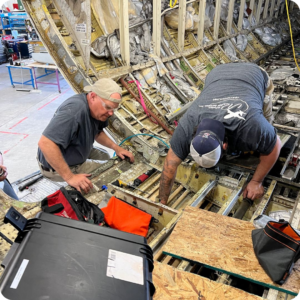
Because of this, aviation staffing is often used to:
- Support heavy maintenance events
- Increase manpower during production peaks
- Fill hard-to-find positions
- Support special projects
- Assist with schedule recovery
- Add experienced personnel quickly
- Build long-term workforce plans
For many companies, staffing support provides flexibility while helping operations continue moving forward.
Direct Hire, Contract and Contract-to-Direct Hiring
Different situations require different hiring approaches. Aviation staffing is not limited to one type of workforce solution.
Direct Hire Recruiting
Direct hire recruiting focuses on long-term employees. This approach is commonly used when companies are building departments, expanding operations or looking for long-term workforce stability.
Recruiters help identify candidates whose experience aligns with the position, work environment and long-term goals of the company.
Direct hire recruiting may support aircraft maintenance, avionics, structures, interiors, quality and manufacturing positions throughout the aviation industry.
Contract Staffing
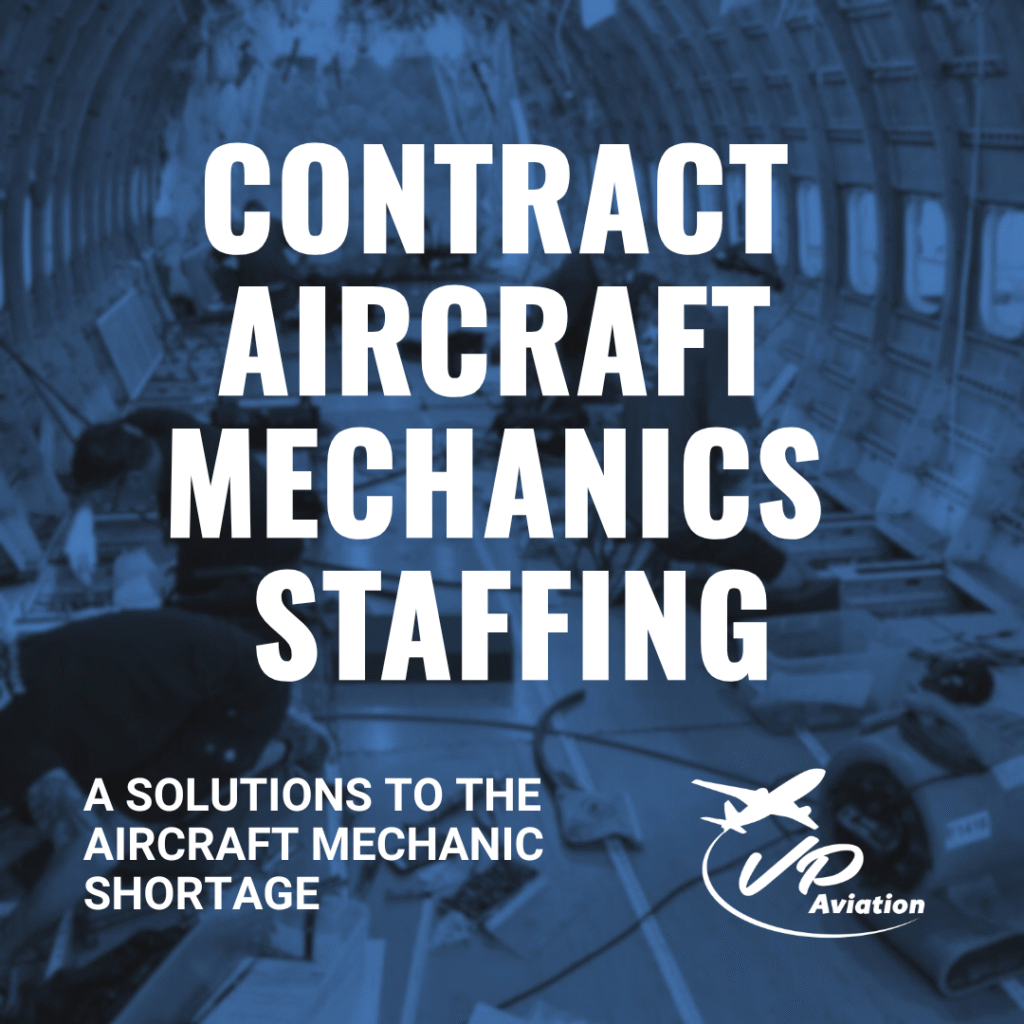
Contract staffing is often used when companies need experienced personnel for a specific period of time. This may involve heavy maintenance, modifications, production increases, overflow work or short-term operational demands.
Contract staffing allows aviation companies to increase manpower without making immediate permanent hiring decisions.
Depending on the scope of work, contractors may include aircraft mechanics, structures mechanics, avionics technicians, inspectors, assemblers and other experienced aviation personnel.
Contract-to-Direct Hiring
Contract-to-direct hiring allows both the company and employee to evaluate long-term fit before transitioning into a permanent role.
This approach is often helpful when workloads are changing or when companies want hiring flexibility while continuing to grow their workforce.
Staffing Support Can Include Full Recovery Teams
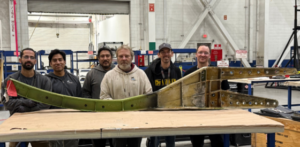
Aviation staffing is not always limited to individual hiring. Some operations require complete teams to support recovery efforts, maintenance events or large work scopes.
For example, a manufacturer working through delayed production schedules may bring in a recovery team to help stabilize workflow and support output goals.
Depending on the project, these teams may include structures mechanics, avionics technicians, assemblers, inspectors or aircraft maintenance professionals with previous project experience.
Recovery teams can help reduce pressure on internal personnel while helping operations regain schedule stability.
What Aviation Recruiters Actually Handle
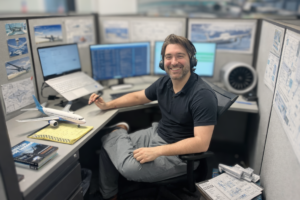
Aviation recruiting involves much more than posting jobs online. Recruiters are often coordinating multiple parts of the hiring process while working to match experience with operational needs.
This may include:
- Reviewing previous aircraft or manufacturing experience
- Confirming certifications and qualifications
- Discussing tooling requirements
- Coordinating interviews
- Reviewing shift schedules and travel readiness
- Supporting onboarding communication
- Assisting with workforce planning discussions
Industry experience matters because aviation environments vary significantly between airlines, manufacturers, MROs, repair stations and business aviation operations.
Aviation Staffing Across the Industry
Staffing needs vary throughout the aviation industry. One company may need additional aircraft mechanics during heavy maintenance while another may need manufacturing personnel to support production schedules or modification programs.
Some operations require long-term direct hire employees while others may need temporary support during workload peaks.
Because of this, aviation staffing continues to play an important role across maintenance, manufacturing and project support environments throughout the aerospace industry.
Final Thoughts
Aviation staffing supports much more than hiring alone. It supports schedule recovery, workforce flexibility, production goals and long-term operational planning across the aviation industry.
Whether the need involves direct hire recruiting, contract staffing or experienced recovery teams, aviation companies continue to rely on staffing support to help maintain operations and meet changing workload demands.
VP Aviation supports airlines, MROs, OEMs, manufacturers, repair stations and business aviation operators with aviation staffing support and experienced aviation professionals throughout the industry.